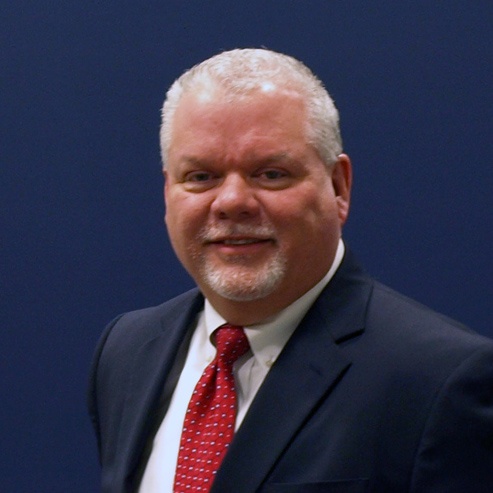
Ken Allison’s commitment from the start line is that of servanthood.
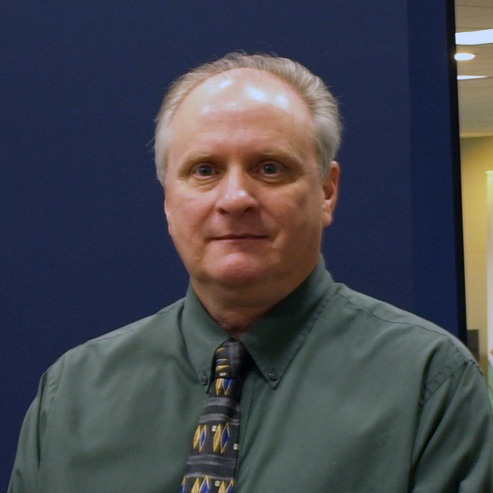
The Little Rock-based Area Sales Manager walks into the office each morning with the intention to support his reps ad nauseam, the energy to put his own sweat equity into their success, and the heart to empathize with the needs and concerns that arise. It’s not authority that drives his management sensibilities. It’s “How can I help you?” Likewise, PrintView Manager Russ Hill shares the pursuit to serve his team needs at every turn, garnering trust and reinforcing a manager’s full commitment.
The two managers aren’t just great people (who for years sweated over a hot grill at the River Cities Dragon Boat Festival to serve hungry rowers). They’re great managers who are deeply committed to their company and to their team.
You’ve heard it before here, but people don’t care how much you know until they know how much you care. Ken and Russ are just two examples at Datamax of how managers can garner unrequited dedication through their commitment of service.
Servant Leadership is the starting point.
“I truly think the best sales managers have a servant’s heart, because your job is serving your team,” Ken said. “Some young people think that being a sales manager is all about authority, and it has nothing to do with authority. It has everything to do with responsibility.”
For Ken, that means regular team lunches, fast responses to late night texts, or taking it upon himself to look on the rep’s behalf for undiscovered opportunities within their accounts. Or pulling information on a big lead that will ultimately aid their success.
Russ’s commitment to his team in a nutshell: “What can I do to help you succeed in your job?” He reminds new employees in Key Contact interviews that the last thing colleagues like to hear is “That’s not my job.” Russ embodies the spirit of “I’m here to serve.”
“I like to tell people, I might not know the answer or be able to assist them, but I will always try to point them in the right direction for assistance,” Russ said. “I also tell them that if that person or response doesn’t work, please come back and visit and we’ll try again.”
Servant leadership in action, indeed.
Relationships are King.
From the onset of a rep’s hire, Ken begins the dialogue of rep-manager relationships and mutual transparency.
“I tell them early on about the importance of being in a relationship with them. That comes from building trust, and them knowing that I have their best interests at heart… and I have to trust that they have mine and the company’s best interests at heart. And there has to be transparency because I am that way with my reps. That may be hard for some people, but if you have that trust, transparency is very easy,” Ken said.
For Russ, garnering that trust early on comes via an Open Door policy.
“That allows for open communication. I strongly urge my people not to be afraid to ask questions and I do my best to make time to answer them in a way that they understand,” Russ said.
Expectations remain high.
Everything matters. It’s just as important to get to work on time as it is to land that big sale. When a directive comes down from the executive level, Ken is quick to adhere and act on it, while expecting his salespeople to do the same.
“It’s about teaching my team the sheer importance of what we’re doing,” Ken said. “If they respect you as a manager, when you ask them to do something it gets done no questions asked.”
Availability is a must.
When a rep is struggling, the first person Ken looks at is himself. Is he providing this person with the resources they need? Giving them solid feedback?
“I hold myself accountable first, and then we go to the Mutual Commitment to clarify what we are going to work on together… No one on my team will just sit on the payroll.”
In the meantime, Ken makes it a point to be available after hours, early in the morning, and even on the weekends for whatever questions or concerns are expressed.
Russ’s team handles anything that has to do with meter collection, toner monitoring, or the gathering of statistical data on printer usage. They can function at a high level independently, but at times the tough questions land in his lap.
“I think the fact that they know if they have an issue, I will take the time to work with them or I will personally take responsibility to resolve the issue… they know I have their back,” Russ said.
“Thank You.” We don't say it often enough.
Ken’s upstairs office is located near the stairway where employees exit at 5 p.m. One thing he tries to do at the end of every day is stand outside his office and say “Thank You, I appreciate you, You did a great job today.”
“I think the two biggest words that go underutilized are ‘Thank You,’” Ken said. “My hope and prayer every day is that when someone goes home, they feel like what they did was worthwhile work, and more importantly, someone recognized it and appreciated it.”