Roy Faries says he prefers working from the sidelines. Even so, his impact on Datamax in-game performance is felt every single day. One clutch performance after another.
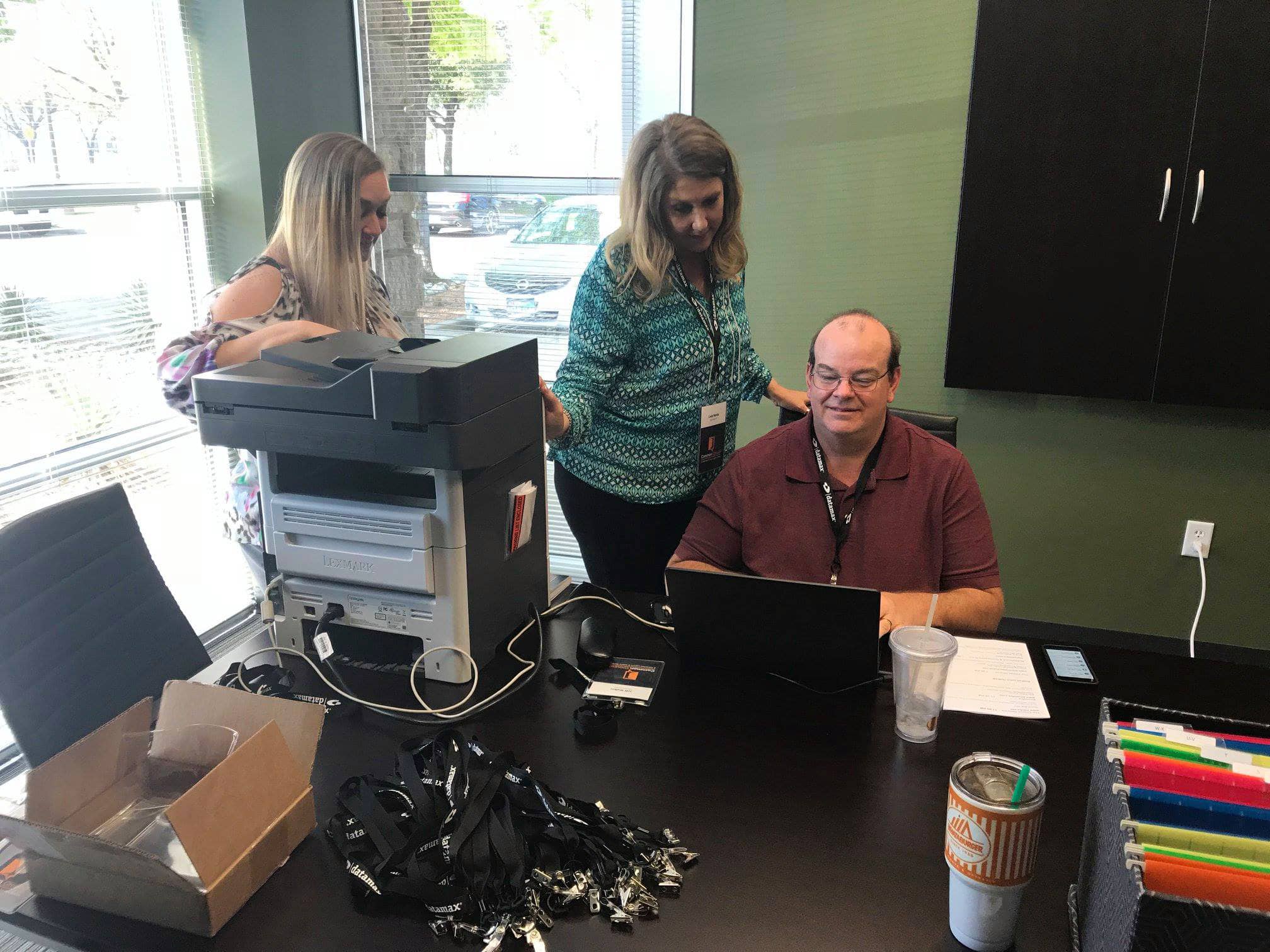
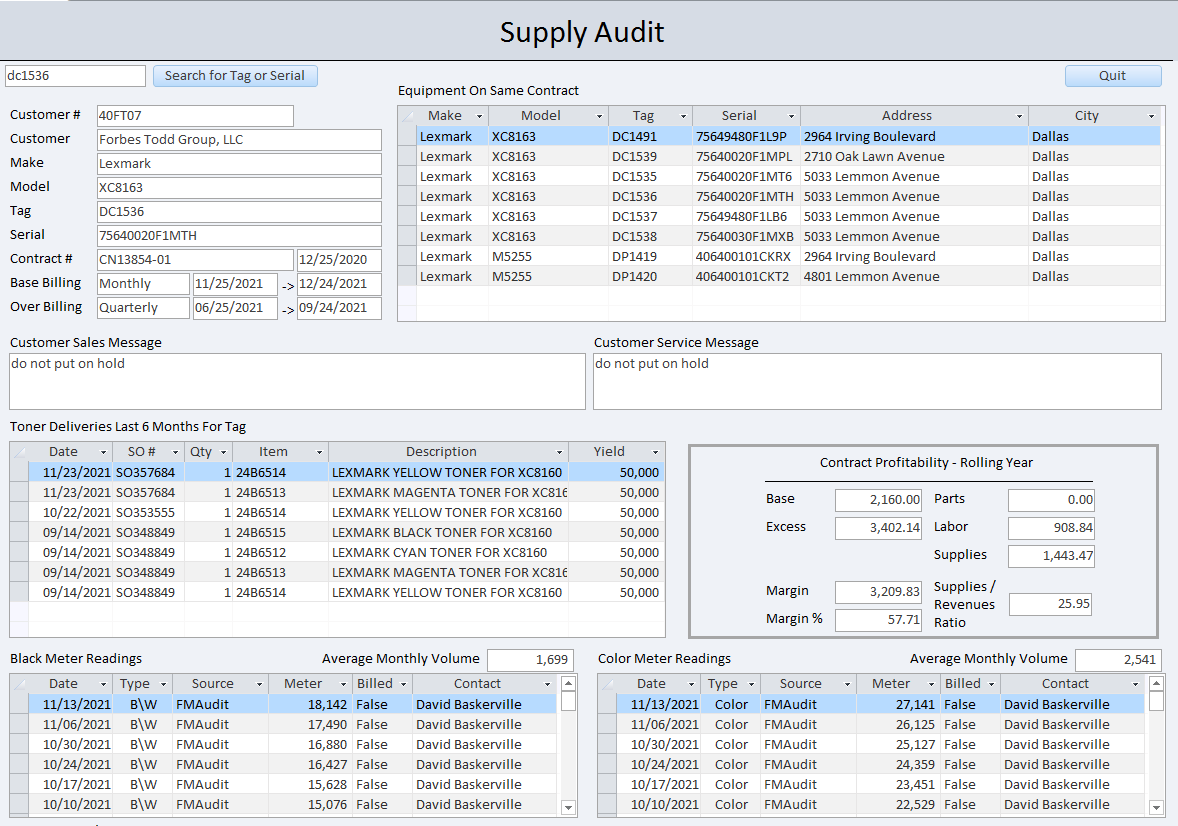
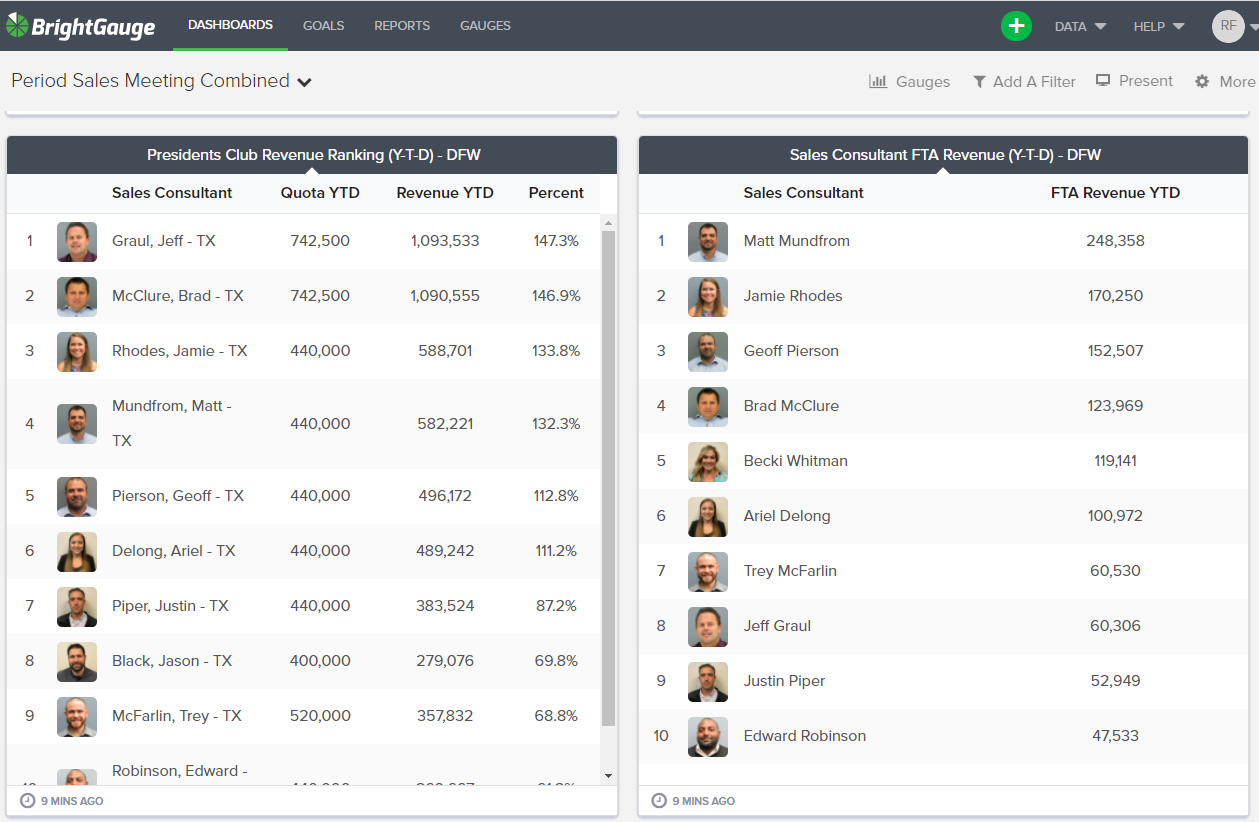
The CRM Application Administrator develops programs that fill gaps between existing software applications the organization utilizes… ones used daily in every department at Datamax (think the Datamax Competitive Advantage Database, Supply Audit, and the Period Sales Meeting Dashboard). Processing requests and building applications from his dual monitors tucked inside the DFW office, Roy is more than an administrator. He’s a maestro, a behind-the-scenes magician at work.
But also an essential worker.
“I am not a person that likes the spotlight or being in front on a stage. I like to feel that I am part of the background, but essential to the success of others. I enjoy knowing something could not be accomplished as efficiently without my involvement,” Roy says.
Make no mistake. Technology is merely a tool, and Roy Faries is about process above all else. So when a need arises for a better way of compiling, analyzing, and distributing information, Roy delves in deep. And he delivers in the clutch.
The Importance of Process Started Early.
Growing up in a military family influenced Roy much more than he even realizes.
Born in White Settlement just outside of Fort Worth, his father was in the Air Force, stationed at Carswell Air Force Base at the time. Roy spent his first 17 years traveling around the world (Texas, Wyoming, North Dakota, Georgia, Germany, and Guam) until his father retired from the Air Force in 1975.
Moving around so often taught Roy a lot about communication. When you move somewhere new, the first thing you teach yourself to do is meet new friends. However, his father’s work also introduced him to the importance of process as the driver for anything he pursues.
“Being in the Air Force, there were always people coming and going on the base. Everyone arriving needed a car, and everyone leaving had a car to sell. So my father would buy and sell a few cars a month for extra income,” Roy said.
Roy would help him repair and maintain those cars, and he would receive a percentage of the earnings in return. This engagement ignited an ongoing passion for cars (namely Buicks). But it’s what transpired in those automobile repair sessions that really stuck with Roy.
“Seeing him work, he was very methodical, and he never jumped to conclusions. There was a distinct process,” Roy recalls. “He was the one who taught me, if you have a problem and you’re trying to diagnose it, just change one thing at a time… that carries over to my programming today.”
Process Always Precedes a Particular Technology.
Roy actually earned a degree in Industrial Engineering from the University of Texas at Arlington, with the intent of getting into manufacturing. It is while attending UTA that he started dating his wife Michelle, who attended Texas Tech (the two originally met in high school). His first job was working in the Haliburton manufacturing plant in Dallas.
“After a while, they started getting computerized machines (CNC) to do the lathe and mill work, and I got into programming these machines. This introduced me to the world of programming,” Roy said.
After he fell victim to the oil crisis of the early 1980s and was out of a job, Roy reached out to a few of his Sigma Nu fraternity brothers and landed a job with a custom program development company.
The process of learning a new “language” intrigued him.
“To me, it was just learning a different language, speaking ‘computer’ instead of Spanish, French, etc. So we found a few customers and the business took off quickly,” Roy said.
He and his friend carried a Kaypro, an early portable (briefcase-like) computer that they could bring to their customers onsite to demonstrate their services. But that, and certainly the PCs, devices, and technology that followed, was and continues to be only a tool.
“The computer is just a tool, and it will not make an inefficient process more efficient. However, if I can identify ways to make the process more efficient when developing the program, it will be a better design and benefit everyone involved better,” Roy says.
His Processes Yield Clutch Results.
In the fall of 1992, a friend of Roy’s introduced him to Datamax. The company at the time was looking for a custom programmer – a part-time position for the moment. He recalls special mentors like Justin Huffaker and certainly Robert Caldwell, whom Roy has worked closely with (and specifically for) throughout his tenure at Datamax.
Roy reported to Robert his first 10 years at Datamax. He speaks glowingly of the collaboration, and the candid back-and-forth, between Robert and himself as projects move from hand to hand, improving every step of the way. Roy’s had several proud moments at Datamax, but perhaps most notably his work with the Datamax Competitive Advantage Database (DCAD).
“I gleam silently as I see any of the applications I develop being used. But, I think my best accomplishment would be DCAD. I developed it over many months, working closely with Robert. I think it is a great concept, and it is referenced more than any other program, on our website and used in many of other published materials. It was complicated to develop, and I learned many programming practices when developing it, practices that I have carried over to other developments… And it looks great.”
Caldwell echoes the collaboration, and the admiration. One of the company friendships he’s enjoyed the most over the years has been with Roy. In 1992, the duo “really got going” with sales force automation, thanks to Roy’s knowledge of SCO/UNIX and database programming languages.
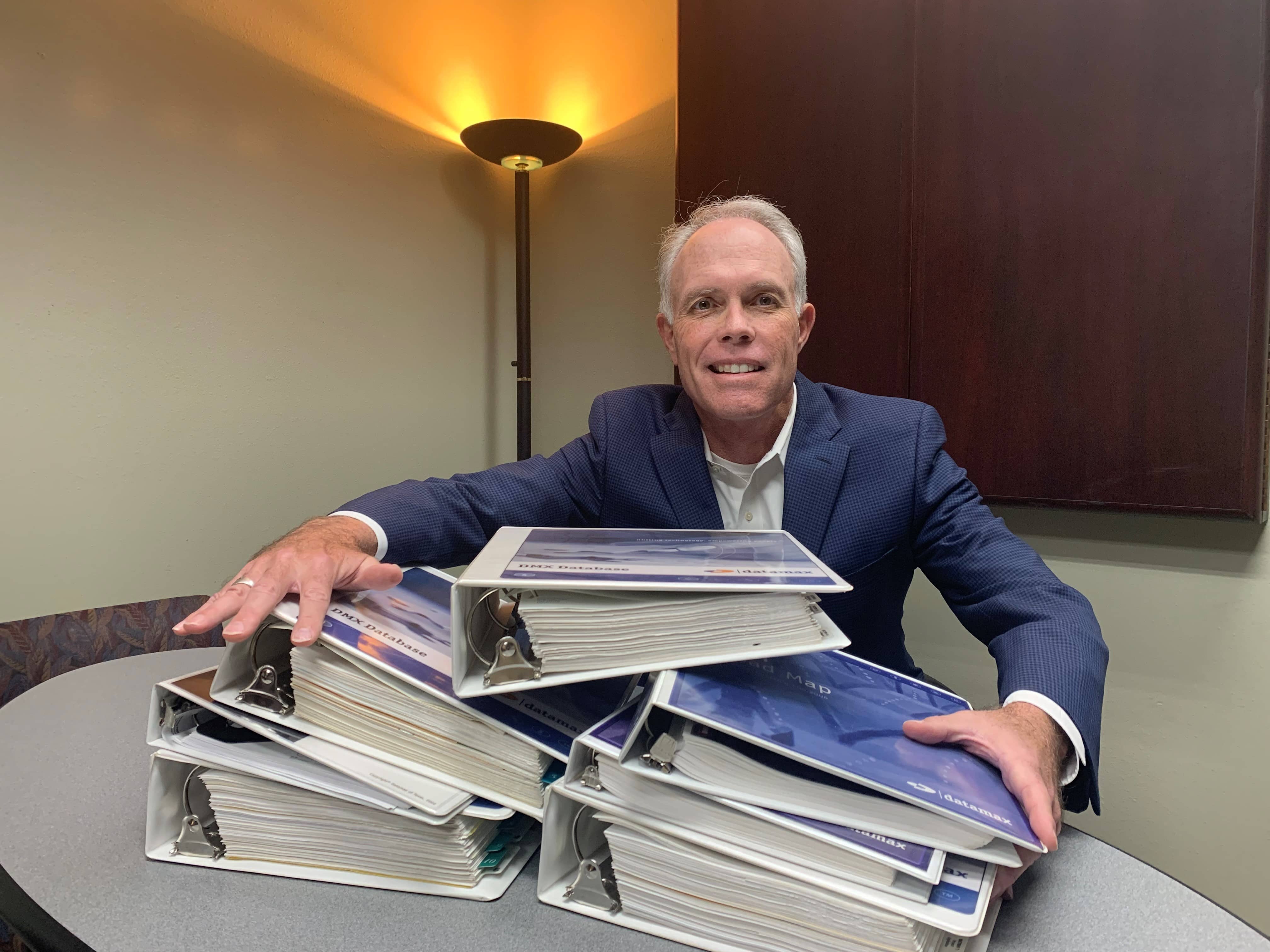
“Over almost 30 years, he’s poured in mega amounts of time, energy, workflow insights and documentation (see binder photo) to make technology really work for our sales operation,” Robert says. "A most certain contributor to Datamax Texas' growth. I have asked him repeatedly during the years to supply programming support for my/our many automation projects including most recently the Datamax Competitive Advantage Database (DCAD) and Datamax Testimonial Database (DTD). As we know, systems programming is often difficult to get right on the first, second much less the third pass. There’s a process to it all. With that in mind, I call him “CLUTCH” — the kind of guy you want in the last 2 minutes of a game or project deadline.”
And so it goes. A commitment to process. An ability to perform in the clutch. Where does this passion and proficiency come from? It’s like asking Jordan or Montana the same question — it’s almost innate.
“When it pertains to custom application development, it is the passion for streamlining processes that drives me…. I get excited knowing that the data I provide in a report or Excel file will help management make more informed decisions, provoke thought, or help identify issues that need their attention. Where did this passion originate? I am not sure. I guess it’s just part of who I am.”