The area in and around the tent, the one where Justin Huffaker lived for a summer, was as far away from technology – geographically and metaphorically – as one could imagine.
Yet, the two somehow connect. What transpired over those weeks, staked firmly in the coarse Rocky Mountain soil and surrounded by earth’s majesty in its most organic form, helped shape how he approaches his professional technology-associated endeavors every single day.
Red Feathers Lake, Colo., or more specifically, nearby Ben Delatour Scout Ranch, sits at 8,000 ft. elevation northwest of Fort Collins. The rustic mountain village is bordered on all sides by the Roosevelt National Forest – a pristine snapshot of Colorado’s uncanny natural beauty. It’s at this Ranch where 13-year-old Huffaker, avid Boy Scout and staff member at the merit badge-high adventure scout camp, began taking notes in what it meant to educate, to lead as a positive role model, and to incite positive change in people and the world they find themselves in, no matter where or under what circumstances that might be.
Concepts like “leave no trace,” “leave it better than you found it” and “offer help to those in need” resonated with him at the time, and have stuck with Justin ever since.
“I spent that whole summer living in a tent. I was helping campers earn merit badges, which is everything to them at that time. It was there, working with those younger people, that I began learning about leadership. You were not a follower there. You were expected to lead by example. To show these kids how to conduct themselves and how to safely complete certain tasks... A huge part of Boy Scouts is service to others, service to people. It's always resonated with me from a very young age,” Justin said.
Huffaker, for most of his life, has served as an advocate of technological, environmental and humanitarian causes – these seemingly unrelated worlds align beautifully underneath an overriding ethos of improving the lives of those that surround us, of making tomorrow better than today, be it technology solutions or serving a homeless shelter.
To be an adequate leader, one must also be a catalyst. And Justin is a true blue catalyst in every sense in his pursuit of awareness, of inciting change, and of serving others.
Or, as the Boy Scout rule puts it, “leave it better than you found it.”
A Catalyst for Awareness
In an industry full of them, Huffaker is no fan of buzzwords.
The sophisticated technology solutions we put in place must first be humanized to have a positive effect: Huffaker believes it’s a turn off if you’re talking to a technical person, and you’re throwing around buzzwords or “geek speak.” Instead, explain to non-technical people how the technology will benefit them, and they will 1). appreciate it and 2). they’ll apply it at their business.
“If I’m walking around our support area, and I hear a support engineer asking an end user something like, ‘are you using IPV6 or IPV4 to communicate,’ I know that user likely has no context for answering that question. Most end users – business people - simply log into a computer, and they use it,” Justin said. “It’s a coaching point that I visit with the team about regularly. You must communicate with people in a way that they’re comfortable with in order for understanding to occur.”
From Datamax open houses to local Lions Club gatherings, Huffaker advocates just that. His public presentations, for example, create awareness regarding cybersecurity risks businesses face. He doesn’t make attendees drink from a fire hose of technical jargon. Instead, he shows relevant, real-life examples (often his own!) of how end users can be tricked into leaking sensitive information to hackers.
The technology available, meanwhile, is simply a means for improving the way organizations conduct business.
“Clients expect us to explore and vet new technology that helps them make smart decisions with their own use of technology in their business. We always have to be watching the marketplace, to see what’s emerging. To make sure it makes good sense for clients,” Justin said.
A Catalyst for Change
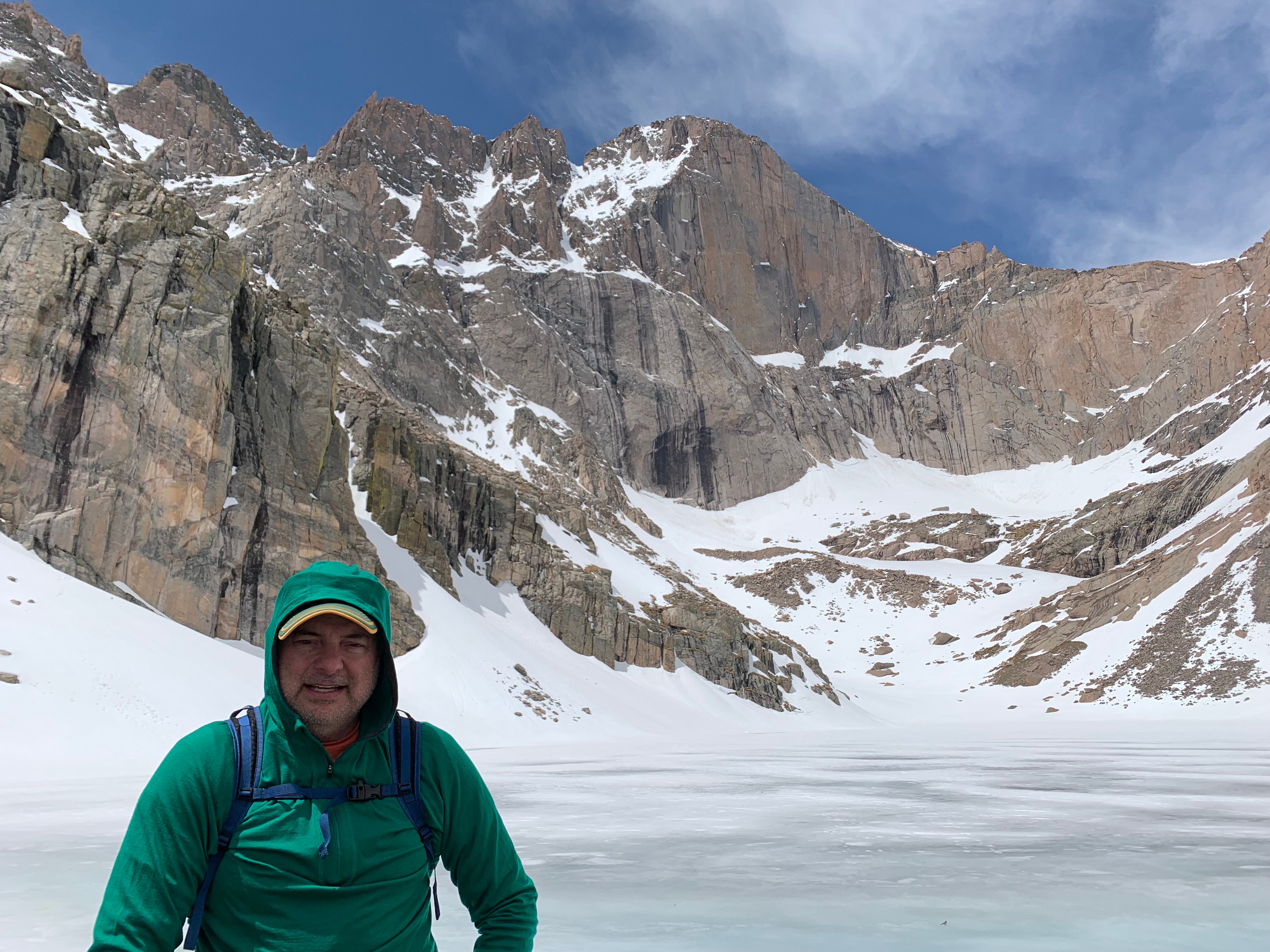
Huffaker is an avid hammock camper, and in recent years has hiked in and around such natural areas as Tillamook Head in Oregon and Mount St. Helens in Washington. But he also spends a lot of time closer to home, on Lake Lewisville in Dallas. While there are beautiful spots along the shore, he is often amazed and disheartened at how marred it is by trash and litter.
Years ago, he began asking himself, ‘when do we take the time to clean things up?’ And, perhaps more poignantly, ‘what am I going to do about it?’ Huffaker decided to be active in inciting change.
“Seeing beautiful natural areas fouled up and trashed, it turned my stomach. I’ve always carried forward with me that idea that started with the Boy Scouts, ‘leave no trace,’” Justin said. “So I started a blog: Taking pictures, writing stories and picking up trash was an answer that made sense to me.”
Justin came to Datamax in 1998 at a time when copiers were transitioning from standalone walk up devices to ones that could connect to a network. Industry change was evident. Justin took on the responsibility for creating a professional services group to deliver technology solutions to North Texas companies. Datamax was an extremely early adopter of bringing in these type of services, which include contracts and monthly invoices for products like Managed Network services.
Through initiating this change, Datamax served as a catalyst of thought leadership, that propelled the organization forward for decades to follow.
“It was tough at first because people weren’t used to paying a monthly fee for somebody to manage their network. They were used to break/fix,” Justin said. “We went out and started selling a contract to essentially proactively manage their network – we were able to share with these clients, ‘hey, our mindset with this is, your network should never go down because we’re going to proactively keep it up and running.’”
A Catalyst for Service
For his Eagle Scout project, Justin spent weeks walking the roadsides of rural Colorado collecting enough pounds of aluminum cans to recycle, collect funds, and renovate a local park. That tangible feeling of doing something productive and beneficial stayed with him.
So, decades later, when Datamax Texas President David Rhodes supported the idea of a formalized program (DatamaxCares) that seeks out nonprofit charities and participates hands on with them in multiple ways, Justin took on the role of spearheading DatamaxCares without hesitation.
“When the DatamaxCares opportunity was discussed, getting involved and offering service to others through this formal program was a natural extension of the ethos learned in my early days as a Boy Scout,” Justin said. “You need to appreciate what other people have done for you in life, and you can reflect that in service to others.”
He calls on current employees to help drive the DatamaxCares initiative. It needs leadership, ownership and new ideas. It needs more catalysts like Justin to keep the program invigorated, infused with positive energy, and moving forward.
“I think that it’s a corporate responsibility for all of us,” Justin said. “Everyone needs to get involved. When you’re organized, you can do a lot more than just an individual.”
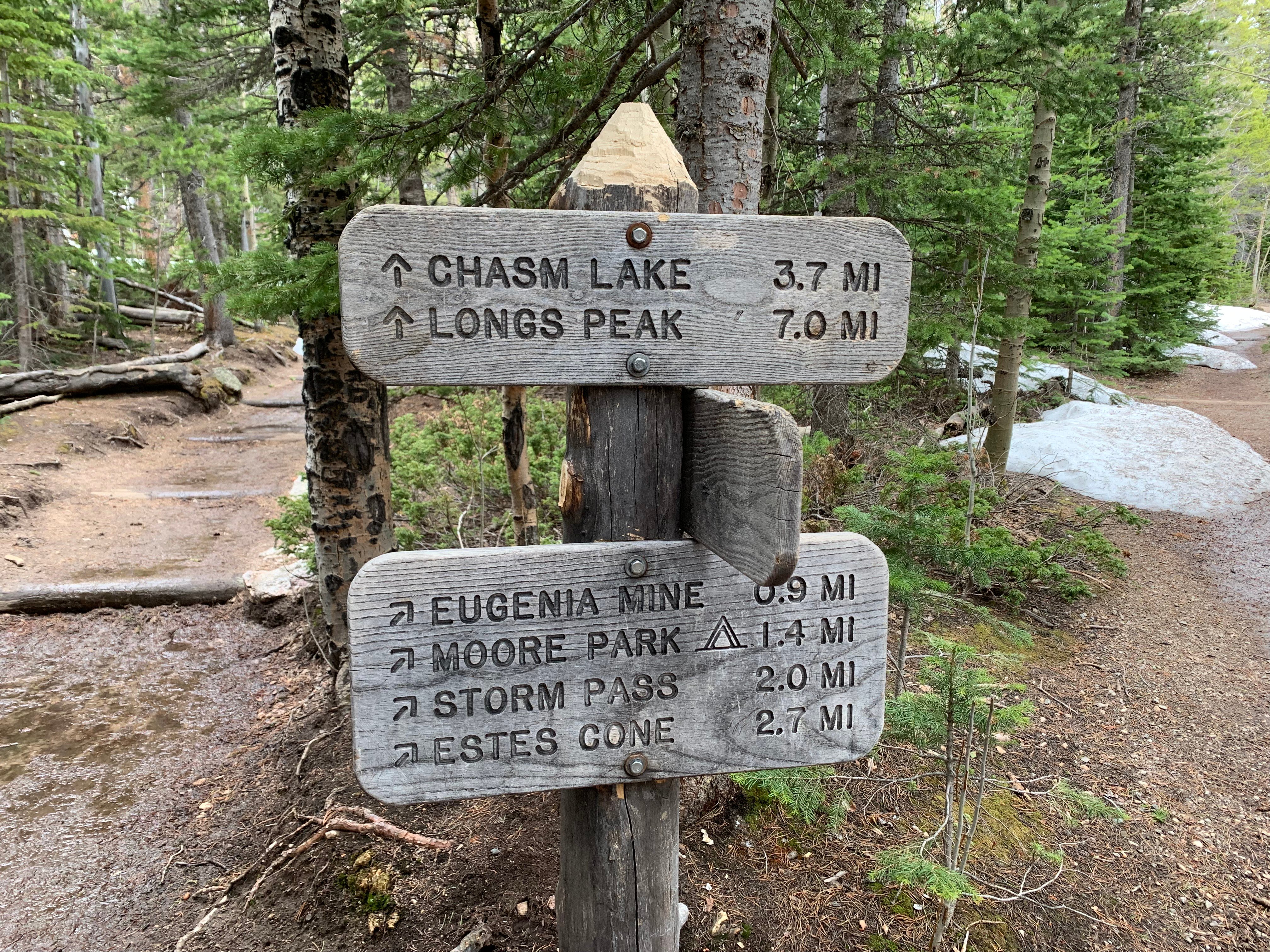
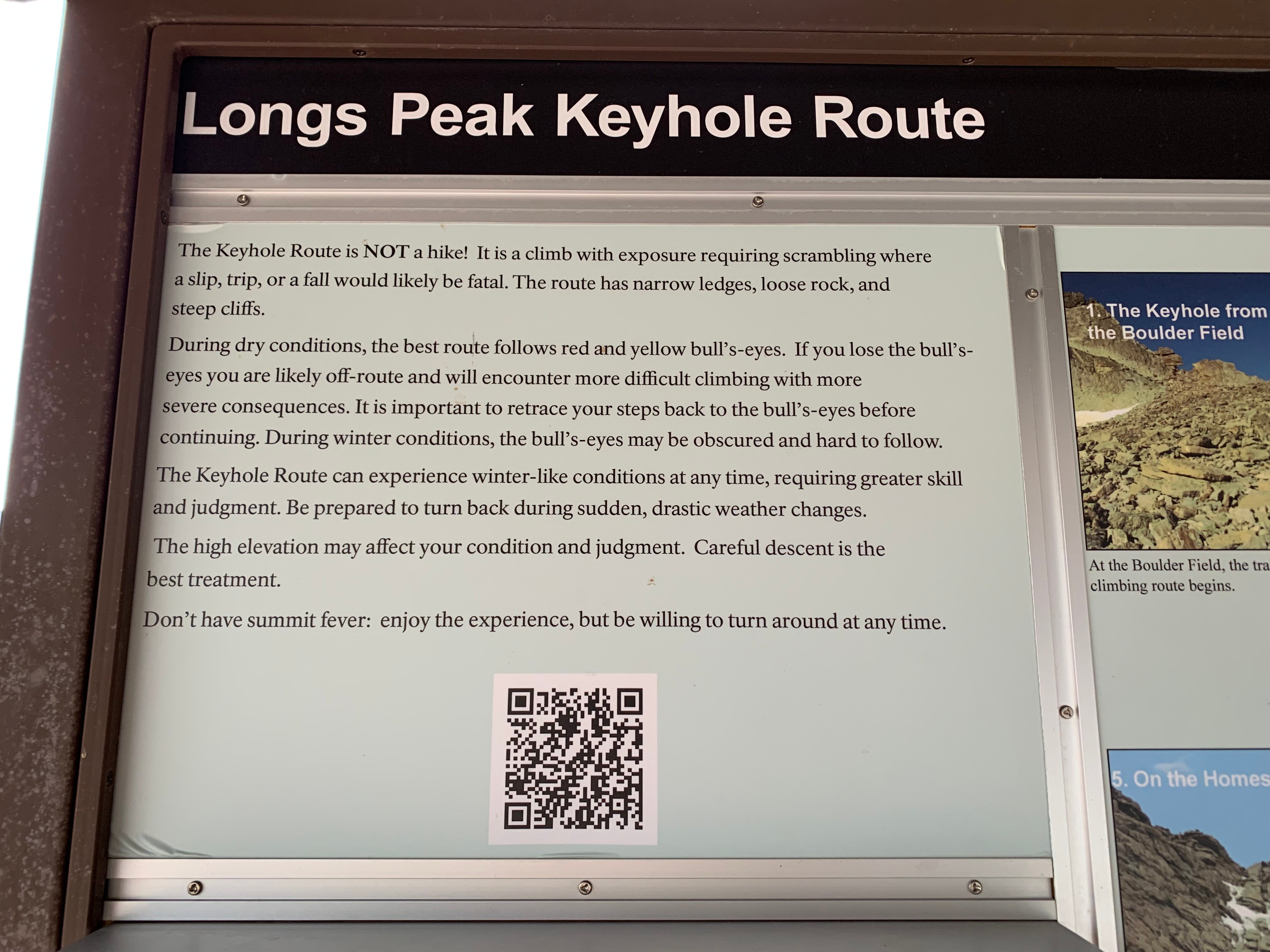
The conversation with Justin shifts back and forth fluidly between high tech and high elevation, between fishing and phishing: he shares details about emergent phishing scams, of recent trips to Longs Peak, Colo., to Oregon, and even fishing excursions with his 99-year-old grandmother. But the backdrop behind these stories doesn’t budge. You can almost hear those same, reoccurring concepts drift into everything he says, everything he does: “leave no trace,” “leave it better than you found it,” “offer help to those in need.”
An ethos built upon serving others? It’s served Justin abundantly well.